
Clogged Gutters Birmingham: Signs You're Missing
Ask most homeowners how they would know their gutters were clogged and they will say the same thing: water pouring over the edge in the rain. That is a real sign, but it is the last one, and by the time you see it the gutter has usually been struggling for months.
The trouble is that a gutter is a channel you cannot see into. It sits above head height, its inside face points at the sky, and the only part you can see from the ground is the outer lip and the underside. So a clog announces itself indirectly. It shows up as a stain on a wall, a patch of soil that is always wet, a water butt that never seems to fill, a damp corner you have blamed on condensation, or a line in a survey report you did not quite understand.
This guide is about those indirect signs: the ones that Birmingham and West Midlands homeowners walk past every day. It is deliberately different from our blocked gutters checklist, which covers the quick yes/no tests, and from our guide to blocked downpipe signs, which focuses on the vertical pipes. Here we look at the evidence the house itself leaves behind, and what each piece of evidence is really telling you.
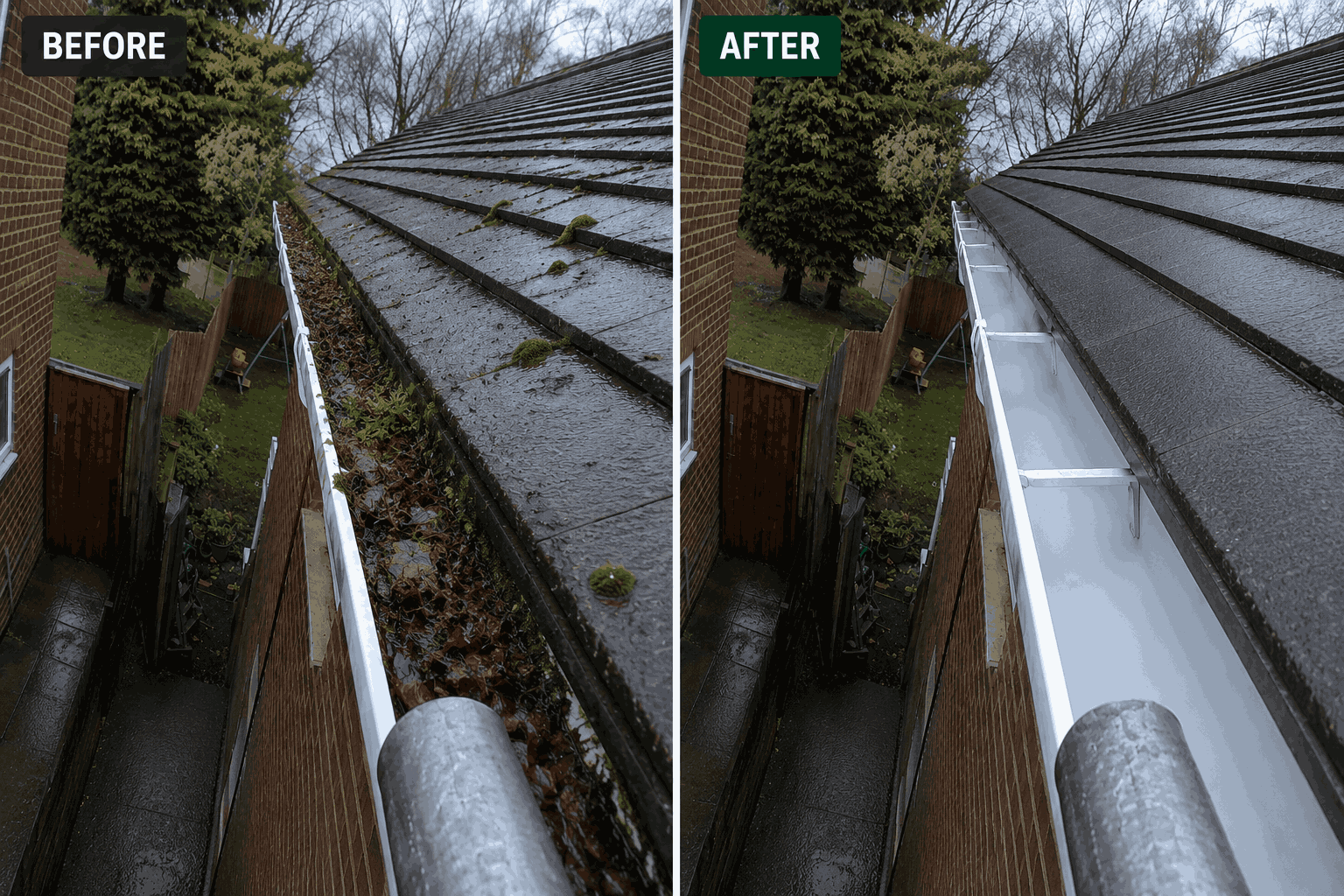
Reading the clues on ground level, wall faces, rooflines, water butts, and survey reports across Birmingham properties.
Why the Easy Signs Aren't the Ones That Cost You
Overflow in heavy rain, weeds sprouting from the gutter and a sagging run are the signs everyone knows. They are useful, but they have two weaknesses.
First, they are late
A gutter can lose half its capacity to compacted debris and still cope with light rain. You only see overflow when a heavy downpour arrives, and heavy downpours are exactly when you are indoors with the curtains shut.
Second, they are visible only if you look up at the right moment
Most people look at their gutters twice a year at best. The hidden signs, by contrast, are at eye level and visible every day if you know what they mean.
The costly damage from a clogged gutter is rarely the gutter itself. It is the water going where it should not: into brickwork, behind fascias, down walls, into soil next to foundations and, in older houses, into timber. Those routes leave marks long before anything dramatic happens. Learning to read the marks lets you act while the fix is still a clean rather than a repair. Our gutter cleaning cost guide shows how small that difference is in pounds terms.
Signs on the Ground Beneath the Gutter Line
Stand in the garden and look at the ground directly under each gutter run, not under the downpipes. Water that should have travelled along the gutter to the outlet but spilled over the edge instead lands in a line that follows the gutter above.
A permanently wet or eroded strip
If there is a strip of soil along the base of a wall that stays wet when the rest of the garden has dried, or a shallow trench in the soil or gravel, water is dropping from above in volume, repeatedly. A healthy gutter system delivers water to the downpipes, and the ground under the gutter line should dry like everywhere else.
Splash marks and soil on the wall base
Look at the lower 30 to 40 centimetres of the wall. Soil splashed up the brick or render is a sign that water is landing hard on bare ground beside the wall. One heavy shower can do that, but a clear, repeated splash line suggests it happens often.
Algae or moss on one stretch of path or patio
A path that is green and slippery in one place only, directly below a gutter joint or corner, usually has water falling on it regularly. Corners and joints are where debris collects first, so a stain below a corner is a strong hint that the corner is holding water.
Plants that are oddly lush or oddly battered
Plants directly below a spill point may be drowning in water, or flattened by it. Neither is a normal pattern in a bed that otherwise behaves.
Pooling beside the house
If water gathers in a puddle against the wall rather than draining away, it can be a drainage problem in its own right. But if it only happens when it rains and the puddle sits under a gutter run, treat the gutter as a suspect.
For houses with downpipes that discharge to a gully or soakaway, our guide to the hidden damage behind blocked downpipes in Solihull explains what happens when that water has nowhere to go.
Signs on the Wall Face
The wall under a gutter is the best notebook a house has. Water that overflows leaves a record in the surface.
Vertical streaks and tide marks
Dark or green vertical streaks running down brick, render or pebbledash, starting at or just below the gutter line, show repeated overflow. The streaks are often narrow and tidy, which is a clue that the water is coming from a single point, such as a corner, a joint or a blocked outlet. Compare the streaks to the rest of the wall. If the whole wall is stained evenly, you are looking at general weathering. If it is a set of lines that line up with the gutter above, you are looking at water that has been delivered there.
Algae and moss growth
Algae loves a surface that is consistently damp. A wall with a green patch beneath a gutter joint, while the rest is clean, is telling you that water reaches that spot more often than any other.
Efflorescence: the white powdery deposit
Efflorescence is a white, crystalline or powdery deposit that appears on brick, stone and mortar. It is made of soluble salts carried to the surface as water moves through the masonry and then evaporates. For it to form you need three things: soluble salts in the material, water to carry them, and a chance for the water to evaporate. A wall that is repeatedly soaked by gutter overflow ticks the second box very effectively.
A caution is important here. Efflorescence also appears on new brickwork as the building dries out, and it can come from other moisture sources such as a failing damp-proof course, leaking pipes or ground water. It is not proof of a clogged gutter on its own. But if it appears directly below a gutter line, in a pattern that matches the gutter, and the gutter above is full of debris, the connection is a reasonable one. Technical references such as the DIY Doctor explanation of efflorescence causes and cures and the remedial brickwork overview of efflorescence explain the mechanism and non-gutter causes in more detail.
Damp patches and paint blistering on the outside
Blistering or flaking paint, or a patch of render that sounds hollow when tapped, beneath a gutter can mean the wall has been wetter than it should be for a long time.
Stained or wet brickwork at a downpipe bracket
Where the downpipe is fixed to the wall, a persistent dark stain around the bracket suggests the pipe is overflowing or leaking at a joint inside the bracket. That is a downpipe issue, and our downpipe unblocking service covers it.


Signs at the Roofline: Fascia, Soffit and the Gutter's Outer Face
Look at the line where the roof meets the wall. You are checking the fascia board, the soffit beneath it and the outer face of the gutter itself.
Rot, flaking paint or dark staining on the fascia
Timber fascias do well when dry and badly when they are repeatedly wetted from behind. A fascia with paint peeling in a band behind the gutter, soft spots, or dark staining on the lower edge is showing water contact from above. A gutter that holds water against the fascia is a common cause.
Soffit staining and sagging
Staining or bubbling on the underside of the eaves, and any sag in a plastic soffit, can mean water is getting behind the fascia. Our fascia and soffit cleaning service deals with the surface, but if timber is soft it needs a carpenter.
Drips from the outer face of the gutter
If water drips from the front of the gutter during rain, or there is a clean stripe down the outer face where water has run for a long time, the gutter is overflowing or leaking at a joint. Overflow usually comes over the front lip; a joint leak drips from the join. Our leaking gutter repair guide helps you tell the two apart.
Gutter sagging or tilting
A gutter that has changed its angle, so that it dips in the middle or tilts away from the outlet, often does so because the weight of wet debris has pulled its brackets. A sag is both a symptom and a cause: once the gutter holds water, it is heavier, and the sag deepens.
Plants growing at the roofline
Seedlings, moss tufts or grass visible at the edge of a gutter from the ground are the clearest sign that there is soil-like debris inside. Our guide to gutters full of weeds and seeds explains how that happens and what to do.
Birds and insects around the eaves
Birds picking at the gutter edge, wasps, or a steady stream of insects around one part of the roofline can mean standing water and rotting vegetation in the gutter. It is easy to dismiss, but it is a pattern worth noticing.
Signs Inside the House You're Probably Blaming on Something Else
This is the section most people skip, and it needs a careful tone. Damp inside a house has many causes. Gutters are one possible cause among several, and we are not in a position to diagnose damp from a blog post. What we can do is show where gutter overflow can contribute, so you consider it alongside the other candidates.
Damp patches on an external wall
A damp patch on an internal wall that sits directly behind a section of gutter that overflows outside is worth a second look. Water running down the outside face can penetrate weak brick, failed pointing or cracked render, and appear inside as a stain.
Damp near the top of walls or at ceiling edges
Stains near the ceiling, particularly in a bedroom or loft room on an outside wall, can be related to water getting behind the fascia or into the eaves. That can happen when gutters overflow into the roof edge rather than away from it.
Peeling wallpaper or paint on one wall
If one external wall, and only that wall, keeps blistering, and the stain lines up with a gutter run outside, the outside is worth checking before you repaint.
Mould in the corner of a room
Mould has many causes, and condensation from everyday living is the most common. But a corner where mould returns again and again, despite ventilation and a dehumidifier, should prompt you to look at the outside of that corner too.
What else it could be
Before you decide gutters are the culprit, rule out the usual alternatives: condensation, failing window seals or sills, a leaking pipe or radiator, defective render, a bridged or failed damp-proof course, rising damp, and roof defects. If you cannot tell, a damp specialist or chartered surveyor can diagnose it. A clean gutter is cheap insurance, but it is not a diagnosis.
If your property is older, our guide to Victorian homes and gutter cleaning in Birmingham explains why solid brick walls are more vulnerable to this sort of water ingress.
The Water Butt Clue
A water butt is one of the most useful, and least appreciated, gutter sensors in the garden.
A butt that stays empty after rain
If it rained for several hours and the butt is no fuller than it was, water is not reaching it. The gutter above may be blocked, the downpipe may be blocked, or the diverter may be jammed with leaf matter.
A butt that fills with brown water full of grit, leaves and moss
Debris in the gutter is washing down into the butt. That is a sign the gutter is full of muck, and a sign the butt's filter or diverter needs cleaning. Technical guides such as the DIY Garden advice on preparing a water butt before heavy rain recommend keeping the butt and its connections clear, and the Screwfix guide to how a water butt diverter works explains how a diverter takes water from the downpipe and what happens when it is blocked.
A butt that overflows quickly in light rain
If the butt is small and the roof is large, that is expected. But if the butt overflows and then the downpipe splashes on the wall, you may have a blockage in the downpipe above the diverter.
A simple test: After a decent shower, look at the butt level and listen to the sound inside the downpipe. A downpipe that gurgles or stays silent while the gutter is clearly wet suggests the water is not flowing as it should.
Patterns That Reveal a Clog: When and Where Overflow Happens
The location and timing of overflow tell you more than the overflow itself.
Overflow at one point, always the same place
If water always spills at one point, that is usually where debris has built up or where the gutter has dipped. A dip makes the water sit, and then the lowest point gets the overflow.
Overflow at the corners
Corners slow the water and collect debris first. Overflow at an internal corner is the classic sign of a leaf and silt build-up.
Overflow at the joints
Overflow or drips at a joint usually points to a failed seal or a misaligned joint, rather than a pure blockage. A blocked gutter can make a joint leak because the water is under pressure.
Overflow only in heavy rain
A gutter that copes in drizzle and fails in a heavy shower is probably partly blocked. The partial blockage reduces capacity. Our guide to overflowing gutters in Birmingham goes through the causes in detail.
Overflow that continues after the rain stops
If water keeps running over the edge long after the rain has gone, the gutter is holding a reservoir of water that cannot drain. That is a sign of a blocked outlet or downpipe.
Overflow only at the far end of a long run
On a long run, a blocked outlet at one end may send all the water to the far end. If one end is clearly worse than the other, look at the outlet at the lower end.
Overflow that began suddenly
Overflow that appears after years of problem-free service often follows a specific event: a storm that dropped a load of debris, a nearby tree growing, a bird nest, or a ball or toy lodged in the gutter. It is the easiest to fix because the cause is single and local.
Signs From Other People and From Paperwork
Not every sign is visible. Some arrive in the post, from a neighbour, from a surveyor or from an insurer.
A neighbour mentioning it
Neighbours often notice before you do. A comment such as “your gutter was pouring over last night” is useful. They see the side of the house you rarely look at.
A survey or inspection report
If you bought your home recently, look back at the survey. Home surveys by chartered surveyors typically include a section covering rainwater pipes and gutters, and condition ratings are used to flag the level of attention needed. For instance, published sample reports such as the example Homebuyers report from Hardings Surveyors and the sample home survey report from NM Home Surveys show how rainwater goods are covered and how reports commonly recommend clearing debris and keeping gutters maintained.
These are sample reports published by surveying firms to illustrate format only. If your own report mentions blocked gutters, treat it as a to-do item. Note that surveyors normally cannot test gutters under heavy rain on the day.
A letting agent's inspection note
Landlords and tenants often see these notes first. A comment about “debris in guttering” or “staining to external wall” is a flag. Our guide to gutter cleaning for landlords and letting agents in Birmingham explains how to build these into a routine.
An insurer's questions
Insurers sometimes ask about maintenance after a water damage claim. Keeping dated records of cleaning helps. Our guide to gutter maintenance and home insurance in Birmingham covers what to keep.
A builder or roofer's offhand remark
Tradespeople working on or near your roof will often mention what they see. A comment that “the gutters are full” is worth taking seriously because they have looked in.
Signs That Look Like a Clog but Aren't
To keep your diagnosis honest, here are the signs that point at something other than a clog:
- •Overflow in a storm with a clean gutter: The gutter may be undersized for the roof area or the downpipe too narrow (design issue).
- •Dripping at a joint while rest runs freely: Failed seal or rubber gasket, not a clog.
- •Sagging gutter with no debris: Failed brackets or damaged section.
- •Damp patch inside with no external evidence: Condensation, plumbing leak or roof defect.
- •White deposits on brand-new wall: New-build efflorescence as drying occurs, not overflow.
- •Green streaks on north-facing wall everywhere: General algae growth from lack of sunlight.
Clogs You Can't See at All: Valley, Parapet, Box and Flat Roof Gutters
Some gutters are hidden from the ground entirely:
Valley gutters
Where two roof slopes meet, a valley gutter collects water from both. Debris collects in valleys and a blockage there can send water under tiles. The signs are usually inside: stains on ceilings below the valley line.
Parapet and box gutters
On terraces, older commercial buildings and some Victorian properties, a box or parapet gutter sits behind a wall. If it clogs, water can back up and run through the wall. Look for staining on the inside of the parapet wall or at the junction with the roof.
Flat roof outlets
Flat roofs depend on outlets that are small relative to the area drained. A clogged outlet leaves ponding water, a visible sign on its own, and stains on the ceiling below. Our guide to flat roof gutters in Birmingham covers the specifics, and our commercial gutter cleaning service handles larger buildings.
Gutters behind a canopy or porch roof
Small roofs over doors and bay windows are often overlooked. Check for staining on the wall above the door or window, and for water dripping across the doorway in rain.
A Five-Minute Read-the-House Walk-Round
You can do this in five minutes. Walk the full perimeter, then do it again after a heavy shower:
- Start at the front: Stand back far enough to see the roofline. Look for sags, plants and streaks.
- Check the ground: Look under each gutter run for wet strips, splash lines and moss.
- Check the walls: Look for vertical streaks, white deposits and algae below the gutter.
- Check the downpipes: Look for stains at brackets and wet shoes at the base.
- Check the water butt: Is it full, empty or full of muck?
- Check the sides and rear: These are the areas you rarely see.
- Check inside: Look at the external walls that correspond to any outside marks.
- Take dated photos: They give you a record and a comparison for next time.
| Sign | Where you see it | What it may mean | Urgency |
|---|---|---|---|
| Wet strip under gutter line | Ground | Overflow from above | Medium |
| Vertical streaks | Wall face | Repeated overflow at one point | Medium |
| White powdery deposit | Brick or mortar | Moisture moving through masonry | Medium |
| Peeling fascia paint | Roofline | Water contact from a full gutter | Medium to High |
| Seedlings at the edge | Roofline | Soil-like debris inside | Low to Medium |
| Empty water butt after rain | Garden | Blocked gutter, pipe or diverter | Medium |
| Muddy butt water | Garden | Debris washing through | Low |
| Sagging gutter | Roofline | Weight of debris or failed brackets | High |
| Overflow after rain stops | Gutter | Blocked outlet or downpipe | High |
| Damp patch inside | Interior wall | Possible water ingress | High (Diagnose) |
| Stain on ceiling below valley | Interior | Valley or box gutter blockage | High |
How Urgent Is Each Sign?
Not every sign needs same-day action. Here is a simple way to prioritise:
Act now
Overflow that continues after rain stops, a sagging gutter, soft fascia timber, or an internal damp patch that is growing. These can lead to damage that costs far more than a clean. If you need fast help, see our guide to emergency gutter cleaning in Birmingham.
Act within a few weeks
Vertical streaks, a persistently wet strip below the gutter, an empty butt, or seedlings. These are warnings that the system is near capacity.
Monitor
Light algae, splash marks and minor staining with no other signs. Photograph, check after the next heavy rain and decide.
Why Some Properties Hide These Signs Better Than Others
Tall houses
On three- and four-storey properties the gutters are far from view, so signs at the roofline are invisible. The ground and wall signs become more important. Our guide to cleaning gutters on a two-storey house safely explains why doing it yourself is risky, and our ground-based gutter vacuum service reaches up to four storeys without ladders.
Houses with dense planting
Shrubs and hedges beneath the gutters can mask a wet strip or splash marks.
Rendered or painted walls
Fresh paint hides old stains. A newly painted wall that stains again quickly is a clue.
Tree-lined streets
Debris arrives from trees you do not own. In Birmingham's leafy suburbs the build-up can be fast. Our guide to how to stop gutters blocking again covers prevention.
What to Do When You've Spotted One
You do not need to panic. Work through these steps:
- Confirm the pattern: Check the sign at least once more, ideally in rain.
- Look from a safe place: Use binoculars or a phone camera on a long pole. Do not climb a ladder if you are not confident. Safety first.
- Photograph everything: Note the date and the location.
- Clear what you can from the ground: A ground-based vacuum system reaches most gutters without ladders. Our gutter cleaning service includes before and after photos so you can see the result.
- Clean the downpipes too: A clean gutter and a blocked downpipe is still a blocked system. See downpipe unblocking.
- Check the roof: Moss on the roof sheds into gutters. Our roof cleaning and moss removal service deals with the source.
- Re-check after rain: If the sign persists after a clean, the cause may be elsewhere.
If you want a rough idea of timing, our guide on how long a professional gutter clean takes in Birmingham explains what to expect, and our one question to ask before hiring a gutter cleaner helps you choose with confidence.
Landlords, Agents and Property Managers: Building These Signs Into Inspections
If you manage several properties, the hidden signs are your best friend, because they can be spotted during a routine visit without anyone going up a ladder.
Add a short external check to every inspection: ground under gutters, wall face below the roofline, fascia condition, water butts and downpipe bases. Take dated photographs. Record the result as pass, watch or action.
For portfolios and managed blocks, our commercial gutter maintenance service can be scheduled across multiple sites, and our landlord guide walks through an inspection routine.
Spotting the Signs Across Birmingham and the West Midlands
Birmingham city and inner suburbs
Older terraces and Victorian properties with solid walls show wall streaks and damp patches sooner.
Solihull
Larger detached houses with mature trees tend to show roofline plants and heavy debris.
Sutton Coldfield
Tree-lined roads and larger plots; leaf and seed build-up is common and signs show in water butts.
Wolverhampton & Walsall
Mix of terraces and 1930s semis; look for corner overflow, efflorescence and wall streaks.
Dudley & West Bromwich
Hillier ground and dense terraces; check ground erosion and shared wall streaks.
Frequently Asked Questions
Related Reading in This Series
How Do You Know If Your Gutters Are Blocked? Birmingham Homeowner's Checklist

How Do You Know If Your Downpipe Is Blocked? Signs Birmingham Homes Show

Overflowing Gutters in Birmingham? Causes & Quick Fixes
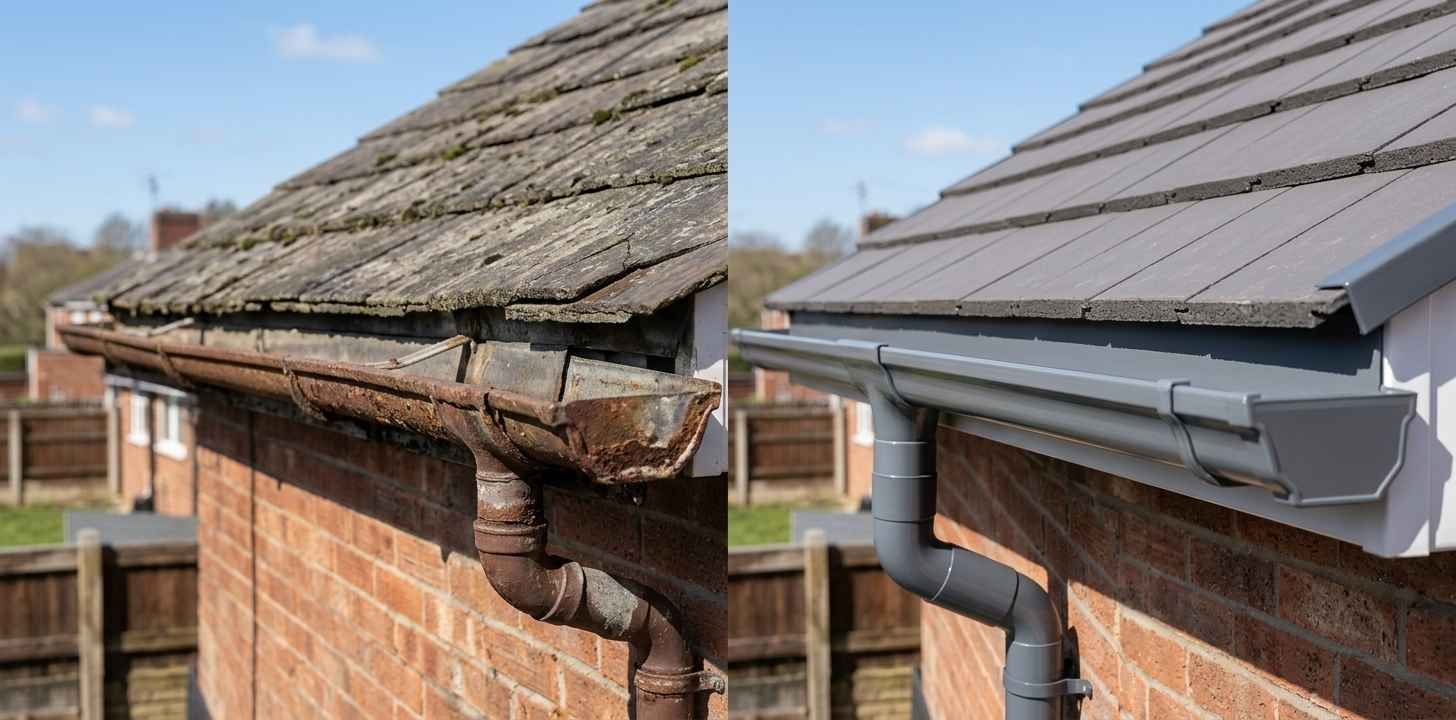
Leaking Gutter Repair Birmingham: Fix or Replace?
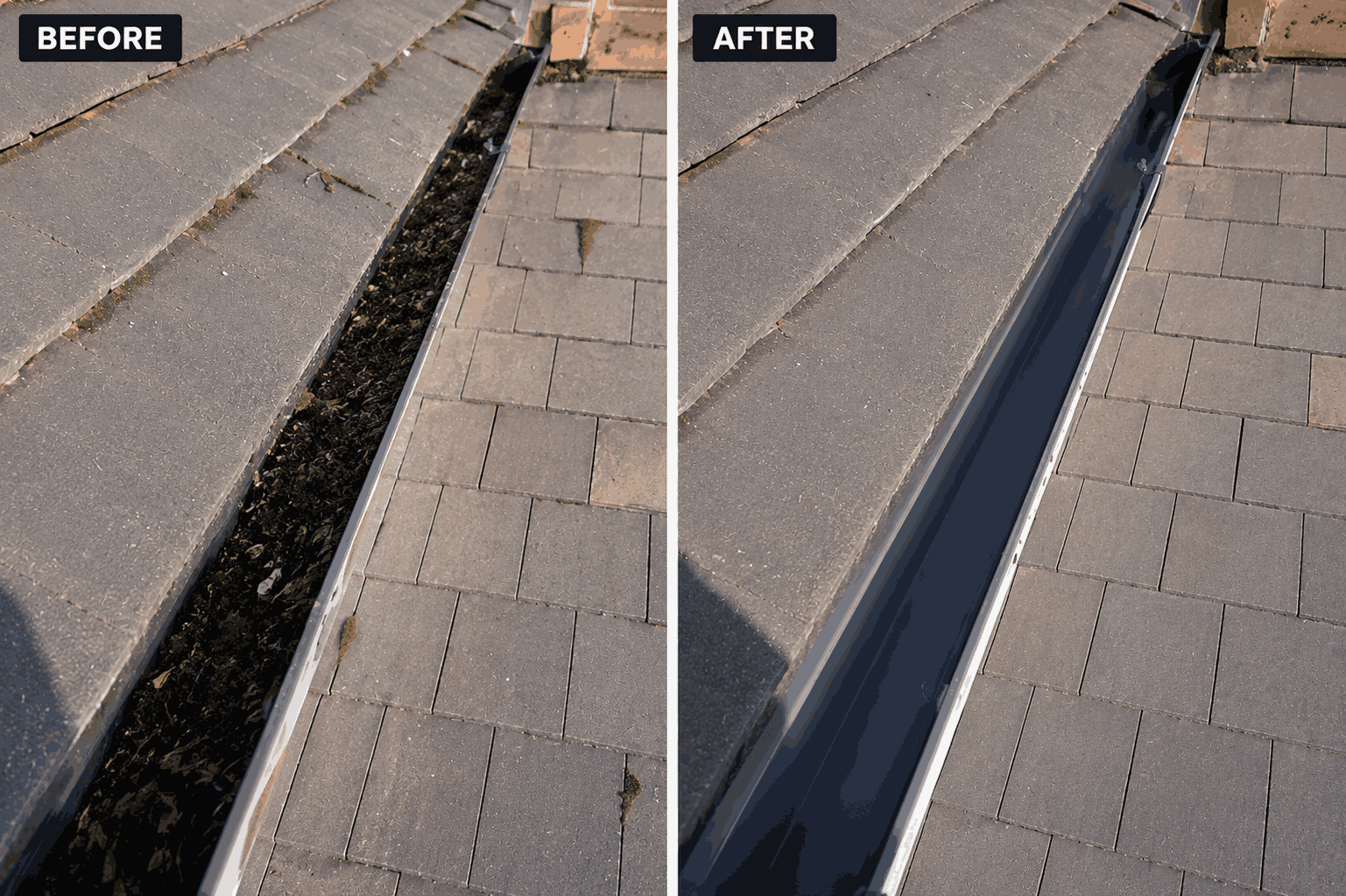
Gutters Full of Weeds or Seeds? Birmingham Clearing Guide

Emergency Gutter Cleaning Birmingham After Heavy Rain
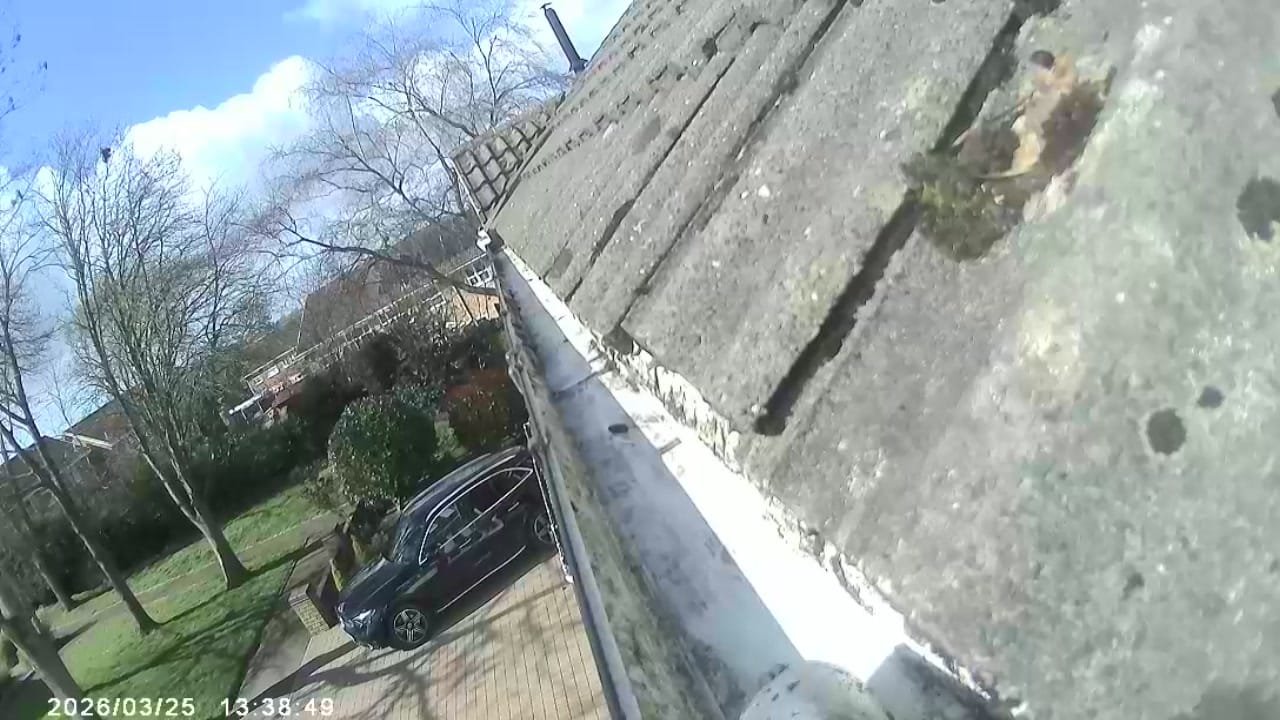
Gutter Vacuum Cleaning Birmingham – No Ladders Needed

How Do You Stop Gutters From Blocking Again? A West Midlands Fix Guide
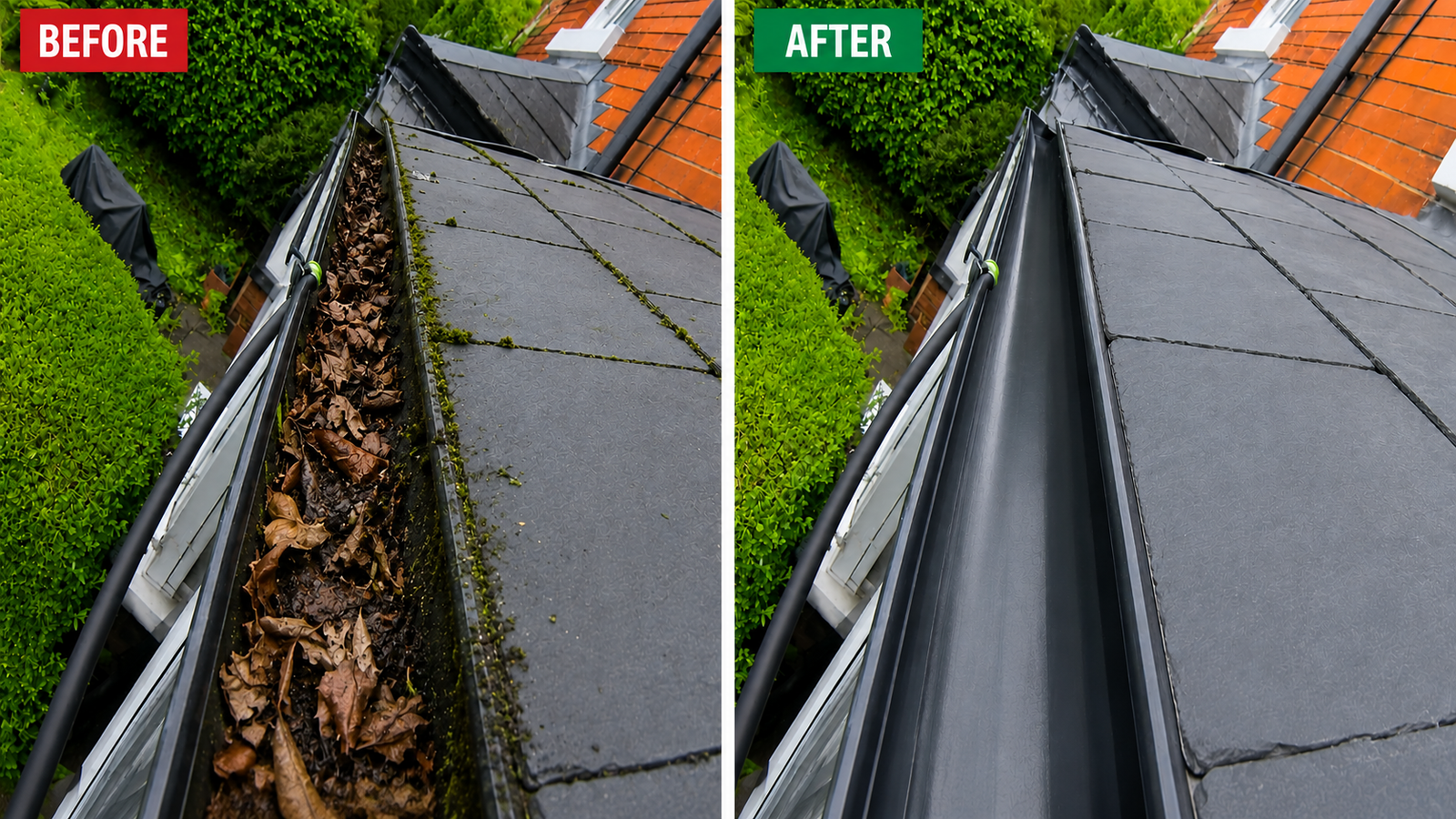
How Much Does Gutter Cleaning Really Cost? A Straight-Talking Price Guide

Complete Gutter Maintenance Guide for Birmingham
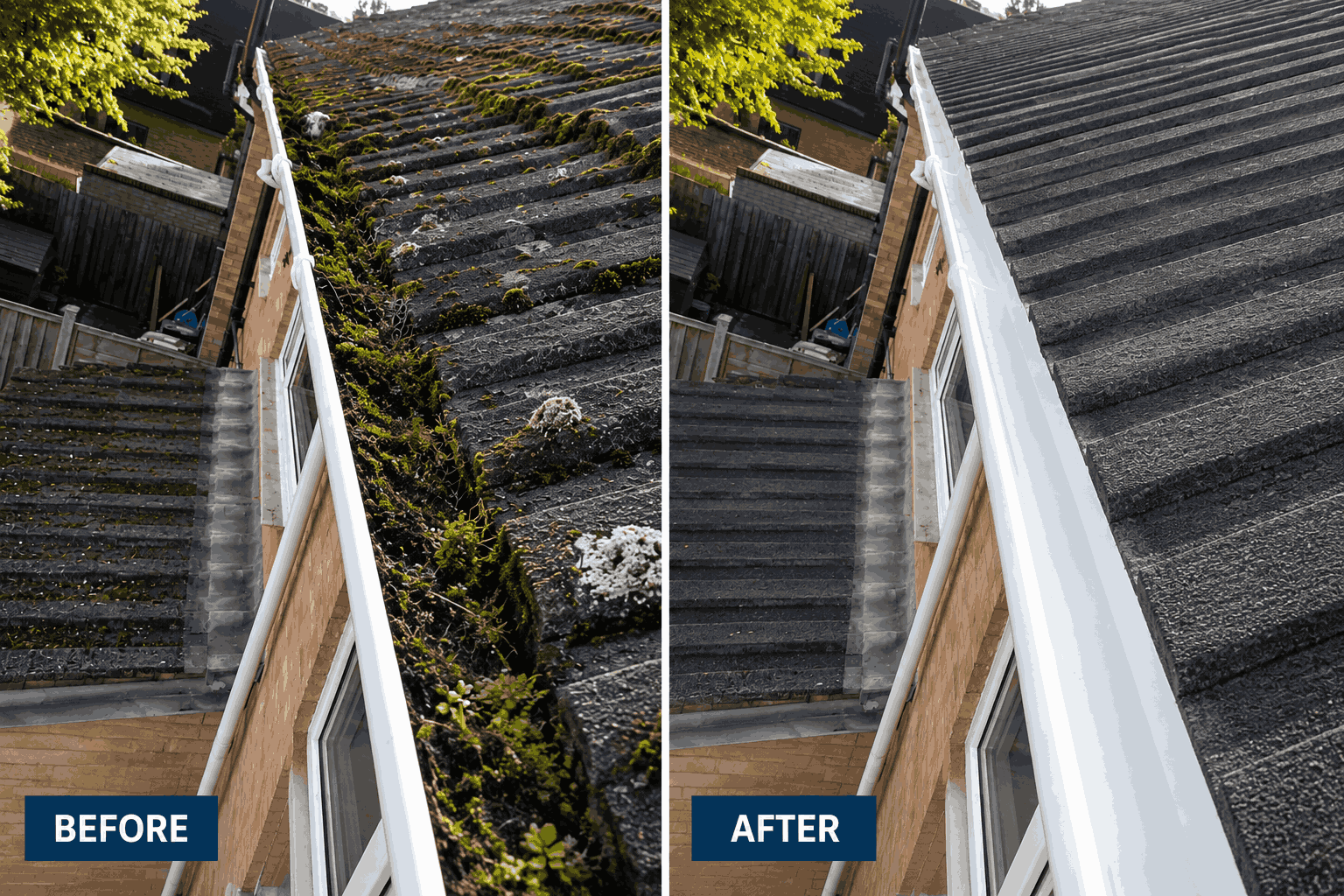
Gutter Maintenance and Home Insurance: What Birmingham Homeowners Need to Know

Why Victorian Homes in Birmingham Need a Different Gutter Cleaning Approach
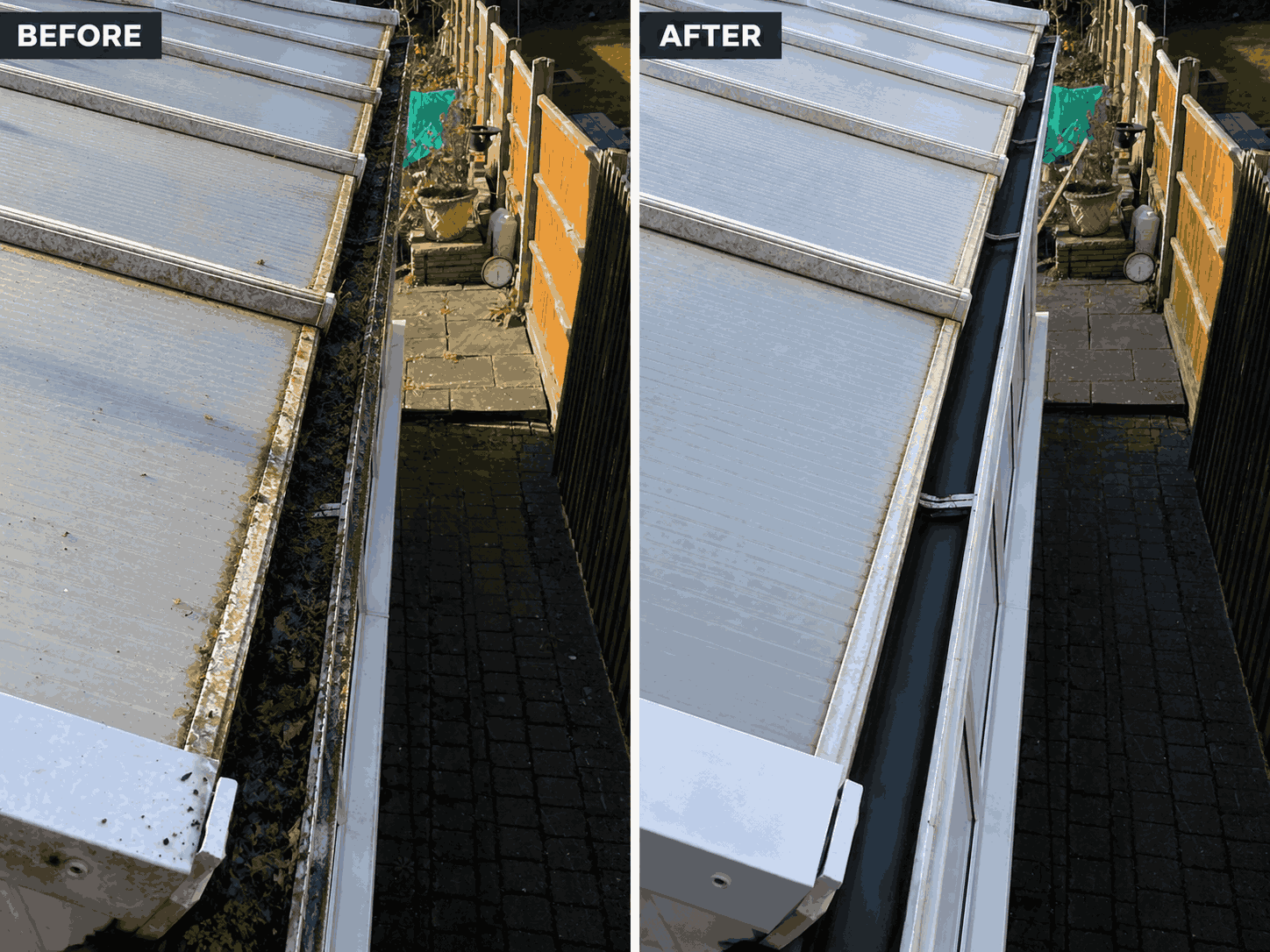
Flat Roof Gutters in Birmingham: The Maintenance Problem Most Guides Ignore
Gutter Cleaning for Landlords & Letting Agents Birmingham
The Hidden Damage Behind Every Blocked Downpipe in Solihull
Seen a Sign but Can't See the Clog?
Book a ground-based gutter and downpipe check across Birmingham and the West Midlands. We clear gutters up to four storeys without ladders, supply before and after photos with every job, and give you a clear picture of what the signs meant.