
Gutter Maintenance and Home Insurance: What Birmingham Homeowners Need to Know
Most homeowners think about gutters purely as a maintenance issue — a job to book in, get done, and forget about until next time. Far fewer realise that neglected gutters can also directly affect a home insurance claim, sometimes at the worst possible moment: after a storm, a leak, or water damage has already happened.
This guide looks at how UK insurers actually treat gutter-related damage, why “wear and tear” and “lack of maintenance” are two of the most common reasons a claim gets challenged, and what practical steps a Birmingham or West Midlands homeowner can take to avoid being caught out.
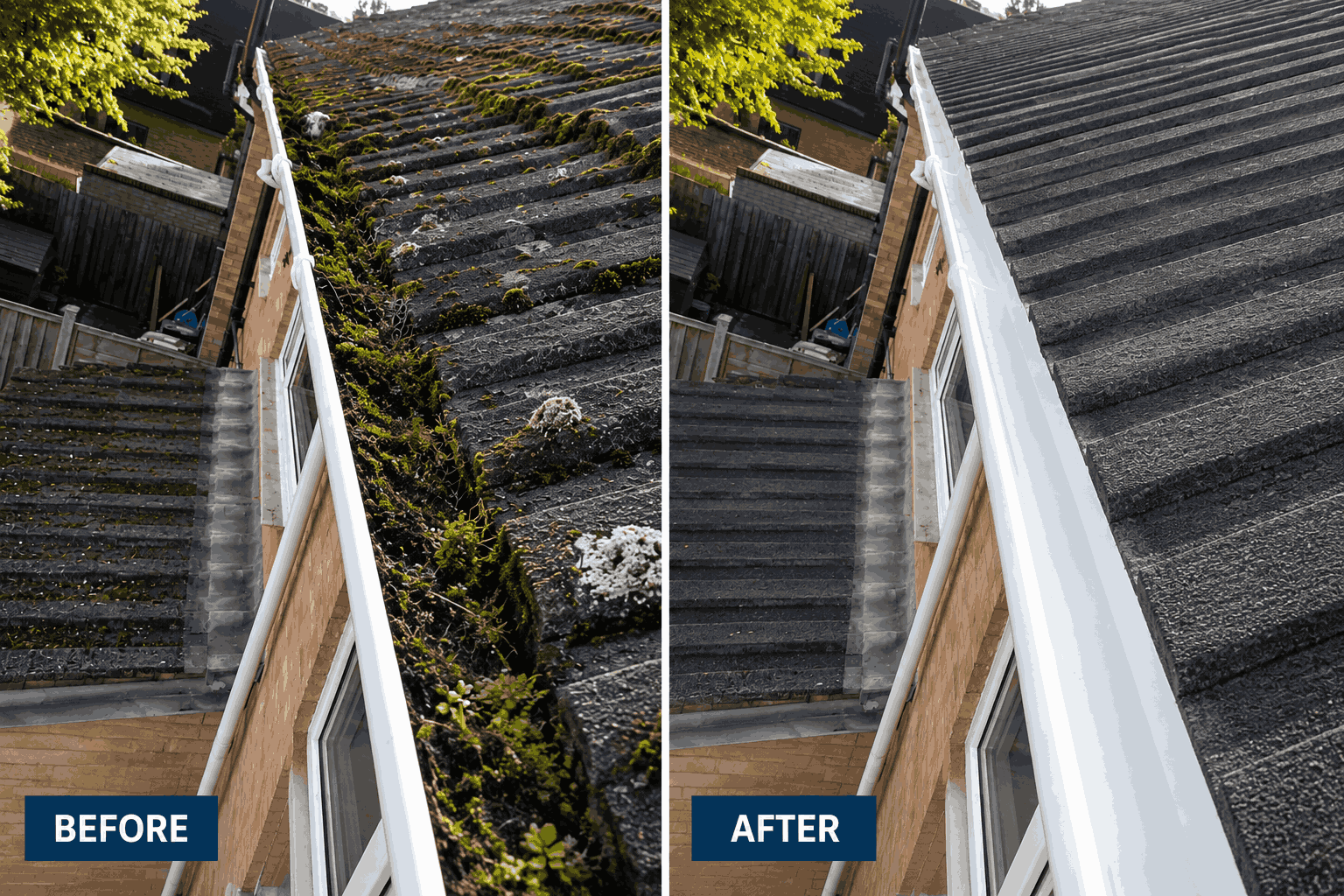
Neglected gutters can trigger the “lack of maintenance” exclusion on UK buildings insurance policies.
Why Insurers Care About Gutter Maintenance At All
Buildings insurance is designed to cover sudden, unforeseen events — a storm, a flood, a burst pipe. It is not designed to cover damage that built up gradually because something ordinary was left unaddressed. The Association of British Insurers lists general wear and tear and damage caused by a lack of maintenance among the standard exclusions on most buildings insurance policies, and specifically gives a roof example: damage that follows from something like a roof issue not being addressed, and then failing during a storm, is treated differently to storm damage that happens to a well-maintained property.
Blocked or damaged gutters sit squarely in this category. If overflow has clearly been happening for months — visible staining, saturated fascias, a track record of previous overflow — an insurer assessing a claim after a bigger water damage event may treat the root cause as a maintenance issue rather than the storm itself, even if the storm was what finally caused visible damage.
The Difference Between “Storm Damage” and “Maintenance Damage” in a Claim
This distinction trips up a lot of homeowners, because from the outside the damage often looks identical:
Genuine Storm Damage
A well-maintained gutter system is overwhelmed by an exceptional, short-term weather event it couldn't reasonably have been expected to cope with.
Maintenance-Related Damage
A gutter that was already partially blocked, sagging, or leaking fails during an otherwise unremarkable rain event, because the underlying capacity had already been reduced over time.
An insurer's assessor is specifically trained to look for the second pattern — staining that predates the claimed event, timber decay that clearly took months or years to develop, or debris levels in a gutter that couldn't have accumulated during a single storm. This is one of the more common reasons a claim gets challenged or reduced rather than paid in full.
Why This Matters More for Older Birmingham Properties
The West Midlands has a large stock of Victorian, Edwardian and inter-war properties, particularly across inner Birmingham and older parts of Solihull and Sutton Coldfield. These properties often still run original or older-style cast-iron guttering with more joints, more potential leak points, and — critically — a longer history for an assessor to examine if a claim is made.
A property with years of unaddressed minor overflow has a much harder time demonstrating that a specific claimed event, rather than accumulated neglect, caused the damage. Newer builds aren't automatically exempt from this either — modern uPVC guttering can still develop downpipe blockages or bracket failures that go unnoticed for a long time simply because nobody's looking.
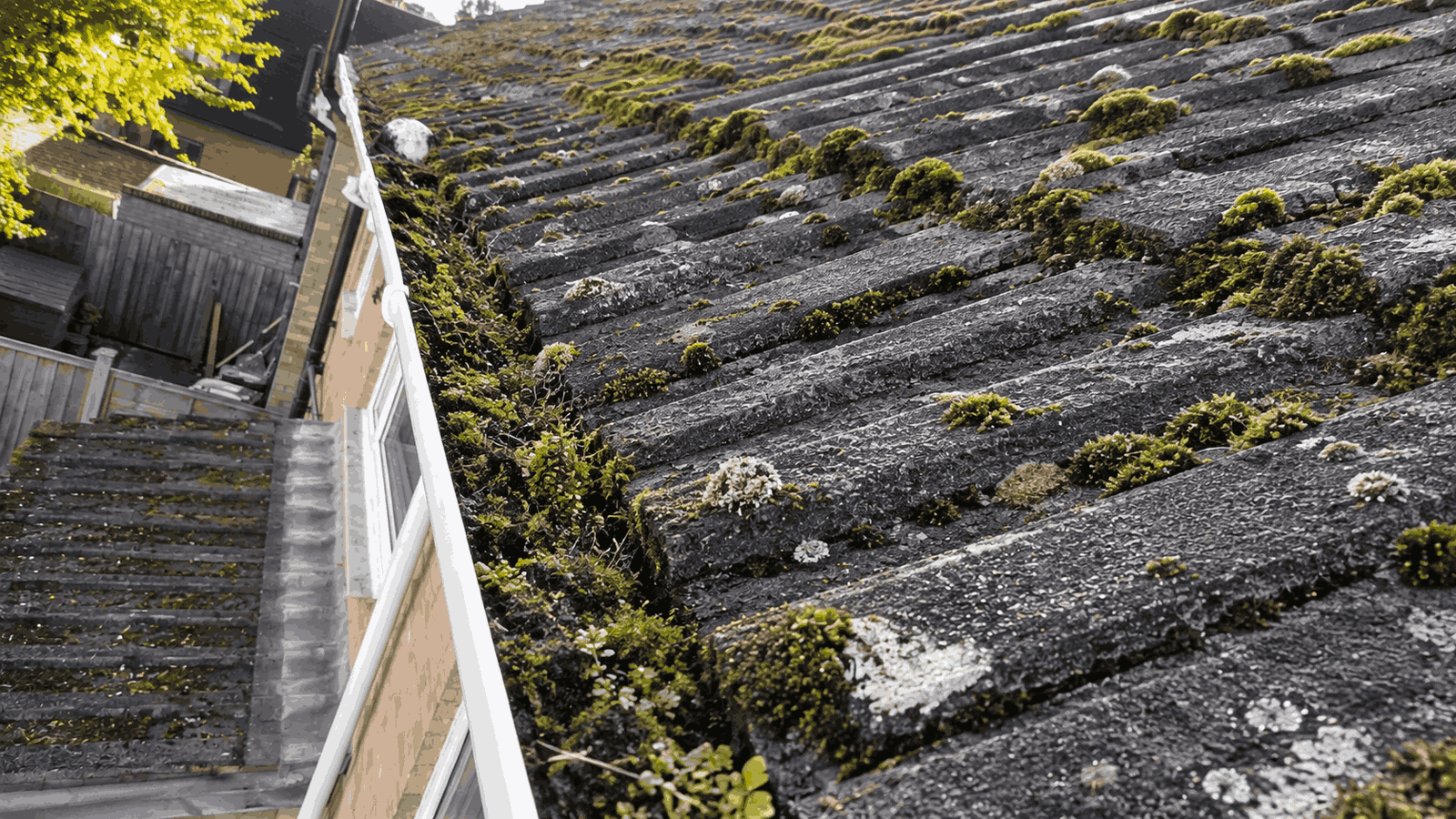
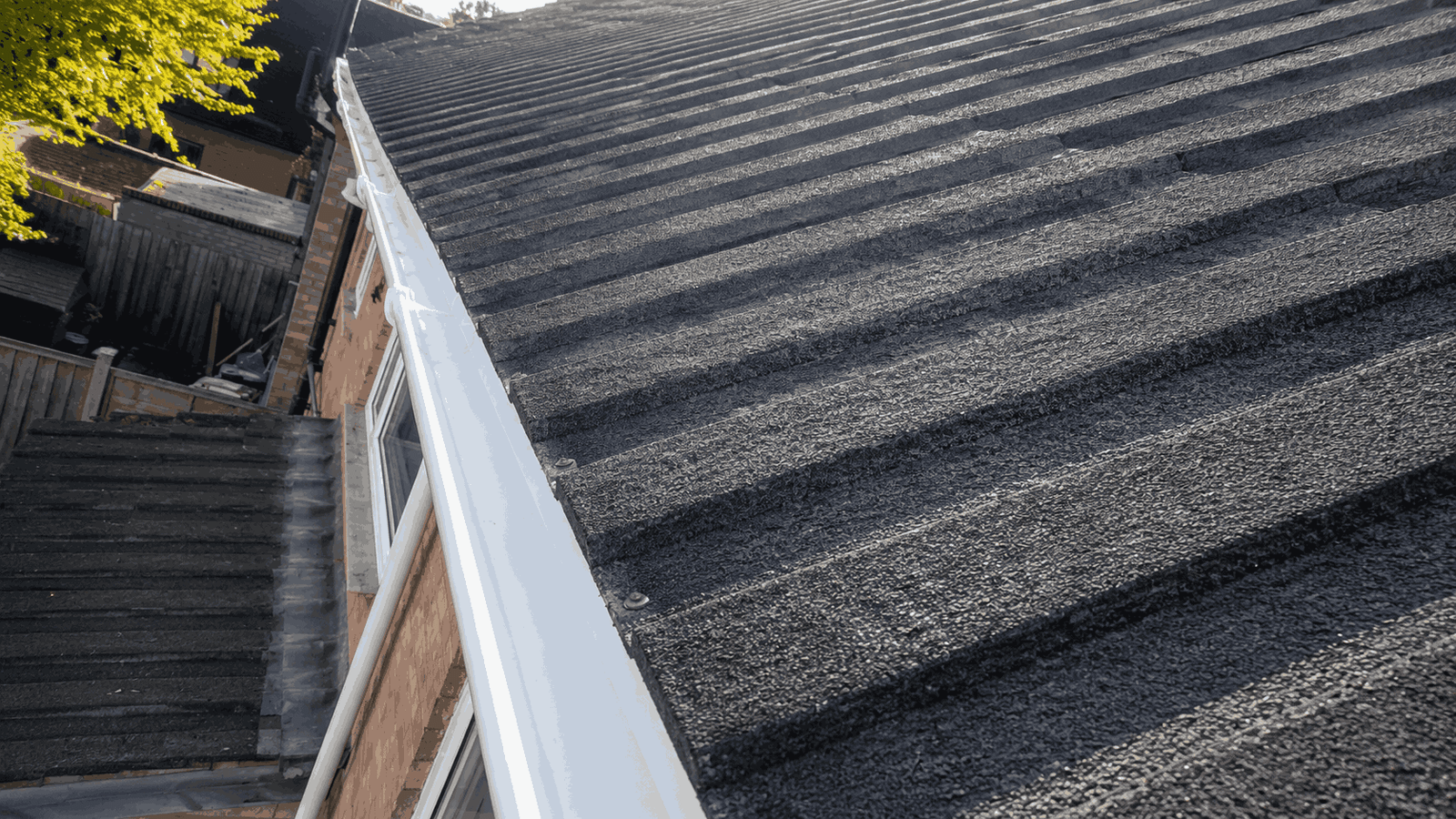
Before & After: The Photos That Protect Your Claim
Dated before-and-after photos from each visit are the single most useful piece of evidence if a claim is ever challenged.
What “Reasonable Maintenance” Actually Means in Practice
Insurance policies rarely define an exact cleaning schedule, which leaves homeowners guessing. In practice, “reasonable maintenance” tends to mean being able to show:
- Gutters have been checked and cleared at a sensible interval for the property — more often near mature trees, at least annually otherwise.
- Any known issue — a sag, a leaking joint, a recurring overflow point — was addressed rather than left to develop.
- Downpipes were included in that maintenance, not just the visible gutter run.
- There's some form of record — even informal — showing when work was last carried out.
Documentation That Actually Helps a Claim
This is the part most homeowners never think about until they need it. Useful documentation includes:
Dated before-and-after photos
From each gutter clearing visit — evidence that the system was in a reasonable state at a known point in time.
Invoices and receipts
For gutter cleaning, downpipe unblocking, or roof cleaning work, which establish a maintenance history an assessor can review.
Notes of issues found and addressed
A sagging bracket identified and fixed during a routine clear, rather than left until it failed.
Fascia and soffit inspection records
Fascia and soffit condition is one of the first things an assessor checks for signs of long-term overflow versus a single event.
What Happens If a Claim Is Challenged Over Maintenance
If an insurer identifies signs of long-term neglect, the typical outcomes are:
Partial payout
The insurer may cover only the portion of damage it attributes to the claimed event, deducting what it considers pre-existing deterioration.
Full rejection
If the damage is judged to be substantially or entirely the result of neglected maintenance rather than the claimed event.
Delayed assessment
Even where a claim is eventually paid, disputes over causation can significantly slow down the process, which matters when the damage is affecting a habitable part of the property.
Practical Steps to Reduce Insurance Risk From Gutters
- Book a gutter clearing visit at a sensible interval for the property — more frequently near trees, at least annually as a baseline.
- Always request before-and-after photos and keep them somewhere easy to find, ideally alongside other property maintenance records.
- Get downpipes checked every time, not just the visible gutter run, since downpipe blockages are one of the most commonly missed maintenance issues.
- Act on any visible sign of overflow promptly rather than waiting for the next scheduled clean — a documented, timely response to an identified issue is exactly the kind of evidence that supports a claim later.
- For landlords and commercial property owners, keep a simple maintenance log covering commercial gutter maintenance visits, since tenanted and commercial buildings often face closer scrutiny during a claim.
This Applies Across the Whole Region, Not Just Birmingham City Centre
The same insurance principles apply regardless of postcode — Wolverhampton, Walsall, Dudley, West Bromwich and the wider West Midlands all fall under the same UK-wide insurance industry standards.
What changes locally is exposure: areas with more mature street trees, older housing stock, or a history of localised flooding tend to see gutter-related claims scrutinised more closely simply because insurers see more of them from those areas.
Landlords and Commercial Properties
For rental and commercial properties, the stakes are higher because insurers and assessors expect a higher standard of documented maintenance — and tenancy law in the UK already places obligations around keeping buildings weatherproof.
A simple, dated maintenance log covering each commercial gutter maintenance visit costs nothing to keep and is the most straightforward way to demonstrate compliance if a claim is made against a commercial or tenanted property policy.
Frequently Asked Questions
Book a Documented Gutter Clear Across Birmingham & the West Midlands
Ground-based vacuum clearing with before-and-after photos for your records. £5M insurance cover included. Keep your maintenance history for your insurer.
✓ Documented before & after photos · ✓ £5M Public Liability Cover · ✓ Ground-based — no ladders · ✓ All areas across Birmingham & the West Midlands