
Overflowing Gutters in Birmingham? Causes & Quick Fixes
This guide is different from most of the gutter content on this site. It's not about spotting subtle early warning signs, and it's not a long-term prevention plan built around guards or scheduled maintenance. It's for the moment water is actually pouring over the edge of a gutter right now, or has just done so, and the question is simple and immediate: why is this happening, and what's genuinely safe and useful to do about it today?
If you're not in the middle of an active overflow right now and want the broader picture instead, our checklist for spotting a blocked gutter before it gets to this point or our guide to stopping gutters blocking again are genuinely the better starting points to read instead. This one is specifically about the active event itself.

Understanding why rainwater is overflowing from your roofline and what ground steps to take immediately.
Step One — Where Exactly Is the Water Overflowing?
This single observation narrows down the likely cause faster than almost anything else, so it's worth watching carefully before assuming anything:
Water spilling evenly along the whole length of a run
Usually points to a capacity problem — either the gutter genuinely can't handle the current rainfall rate, or there's a widespread blockage affecting the entire section.
Water spilling at one specific point, with the rest looking fine
Usually means a local blockage or a low spot holding water right at that exact location.
Water spilling right at or near the downpipe outlet
Points toward the downpipe rather than the gutter itself, even though the gutter upstream looks reasonably clear.
Water escaping at a joint or corner rather than over the front edge
A different problem entirely — that's a leak, not an overflow, and needs a different fix.
Noting which of these matches what you're actually seeing before reading any further will genuinely save time, since the right next step depends heavily on it rather than on the overflow's severity alone.
The Most Common Causes, in Order of Frequency
1Debris blockage
By far the most common cause. Leaves, moss, silt and general debris reduce the gutter's effective capacity, and once enough has built up, even moderate rain overwhelms what's left. Our blocked-gutters checklist helps you spot a developing blockage before it reaches overflow.
2A blocked or restricted downpipe
The gutter itself can be completely clear and still overflow if the water has nowhere to go once it reaches the outlet. One of the most commonly missed causes — our guide to blocked downpipe signs covers exactly what to look for.
3A sagging section or incorrect fall
A gutter that dips at one point holds water there rather than carrying it along to the outlet, overflowing first at that low spot. This is a structural issue that requires a proper gutter repair and bracket reset rather than a clean alone.
4Genuinely undersized capacity for rainfall rate
Some gutters simply weren't built for modern rainfall intensity. A clear gutter can overflow during intense downpours, as covered in our guide to summer storm overflow.
5A joint or seal that's failed
Technically a leak rather than a true overflow, but easy to mistake for one from a distance if water is escaping just below the top edge. Our leaking gutter repair guide explains how to tell the difference and what a lasting fix looks like.


What's Safe to Check or Do Right Now, From the Ground
None of the following require climbing anything, and all of them are genuinely useful while the overflow is happening or shortly after:
- Watch and note exactly where water is coming from — this single piece of information is the most useful thing you can hand to whoever ends up fixing it.
- Check the ground beneath the downpipe outlet — is water flowing out at the base, or is the ground dry while overflow continues above? A dry base strongly suggests a downpipe blockage.
- Lift the gully grate at the base of the downpipe if accessible, to check whether it's visibly full of debris right at ground level.
- Take photos or a short video of the overflow in action — useful evidence for your reference and for the trade team fixing it.
What Not to Do During an Active Overflow
Don't climb a ladder in the rain
Wet rungs, wet ground, and reduced grip make this the worst moment for ladder work. RoSPA estimates around 6,000 UK hospitalisations per year from home ladder accidents. See our two-storey safety guide for details.
Don't spray water upward with a hose
It's ineffective at clearing actual blockages and risks forcing water behind fascias or under roof tiles. Ground-based vacuum clearing is the safe, effective alternative that doesn't require ladder access at all.
Don't assume it will fix itself
An overflow caused by debris or a blocked downpipe will not resolve between storms — it will repeat during the next downpour, often causing progressively more damage each time.
Quick, Genuinely Temporary Measures While You Wait
Simple ground-level steps to reduce immediate nuisance without attempting ladder repairs:
- Move vulnerable items out of splash zone — planters, garden furniture, or items stored against the wall.
- Place a catch container underneath to reduce water soaking into ground right against the foundation.
- Use a temporary ground diverter to protect doorway thresholds.
- Monitor nearby interior walls — as overflow damp can take time to show inside.
How Urgently Does This Actually Need Sorting?
Genuinely Urgent (Act Quickly):
- • Water visibly entering through wall, window, or ceiling — see hidden damage from blocked downpipes
- • Steady overflow recurring across multiple rain events
- • Overflow with sagging gutters or gaps pulling from fascia — requires gutter repair
Can Wait for Scheduled Visit:
- • One-off overflow during an exceptionally heavy storm — see summer storm overflow guide
- • Minor splashing causing no property damage
- • Overflow on a run with a gutter clean already booked
Getting It Properly Diagnosed and Fixed
Once the immediate situation is under control, a proper visit identifies the specific cause rather than just clearing visible debris: a ground-based gutter vacuum clear with live camera inspection confirms where blockages sit, downpipes and outlets are checked as standard, and any structural issues are flagged honestly. If the cause turns out to be a leak, that's a different repair path entirely.
Asking the right question before booking — specifically whether downpipes are checked and work is documented with photos — filters out rogue operators.
Stopping It Happening Again
Preventing repeat overflow is covered in detail in our guide to stopping gutters blocking again. Running through our blocked-gutters checklist every couple of months catches developing problems long before overflow returns.
This Applies Across the Whole Region
Overflow triage steps apply equally across Birmingham, Solihull, Sutton Coldfield, Wolverhampton, Walsall, Dudley and West Bromwich.
Frequently Asked Questions
Related Reading in This Series
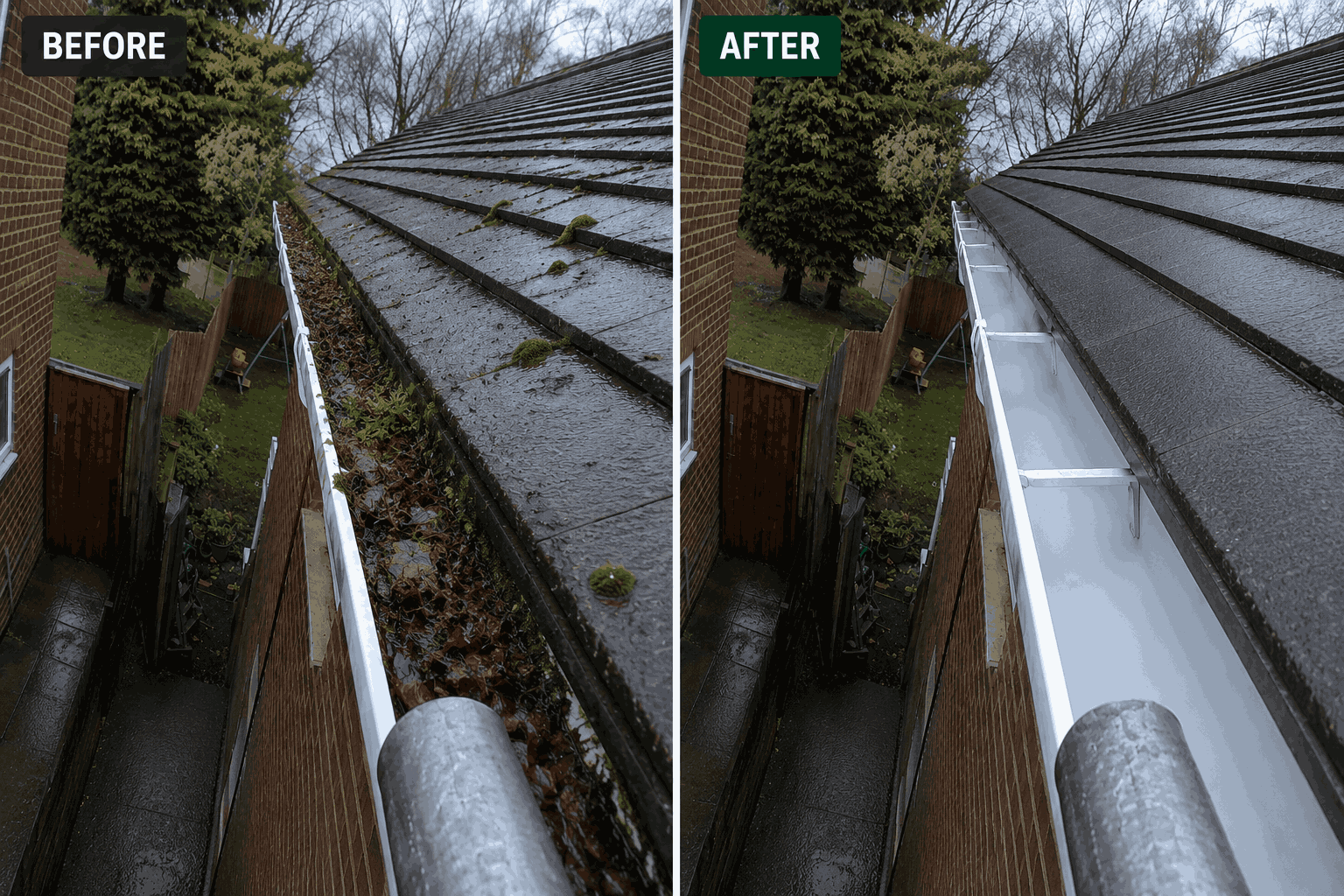
How Do You Know If Your Gutters Are Blocked? Birmingham Homeowner's Checklist
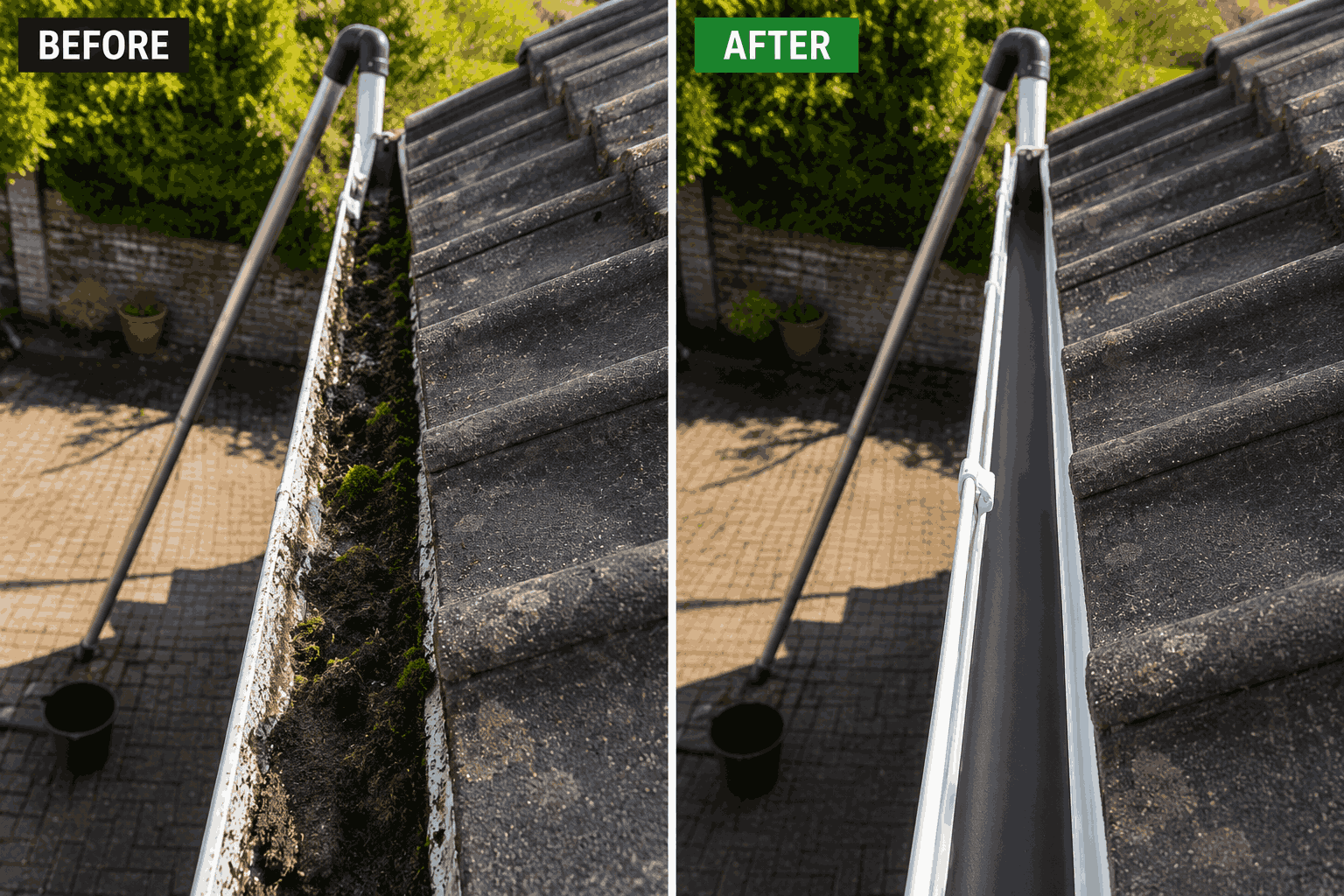
How Do You Know If Your Downpipe Is Blocked? Signs Birmingham Homes Show
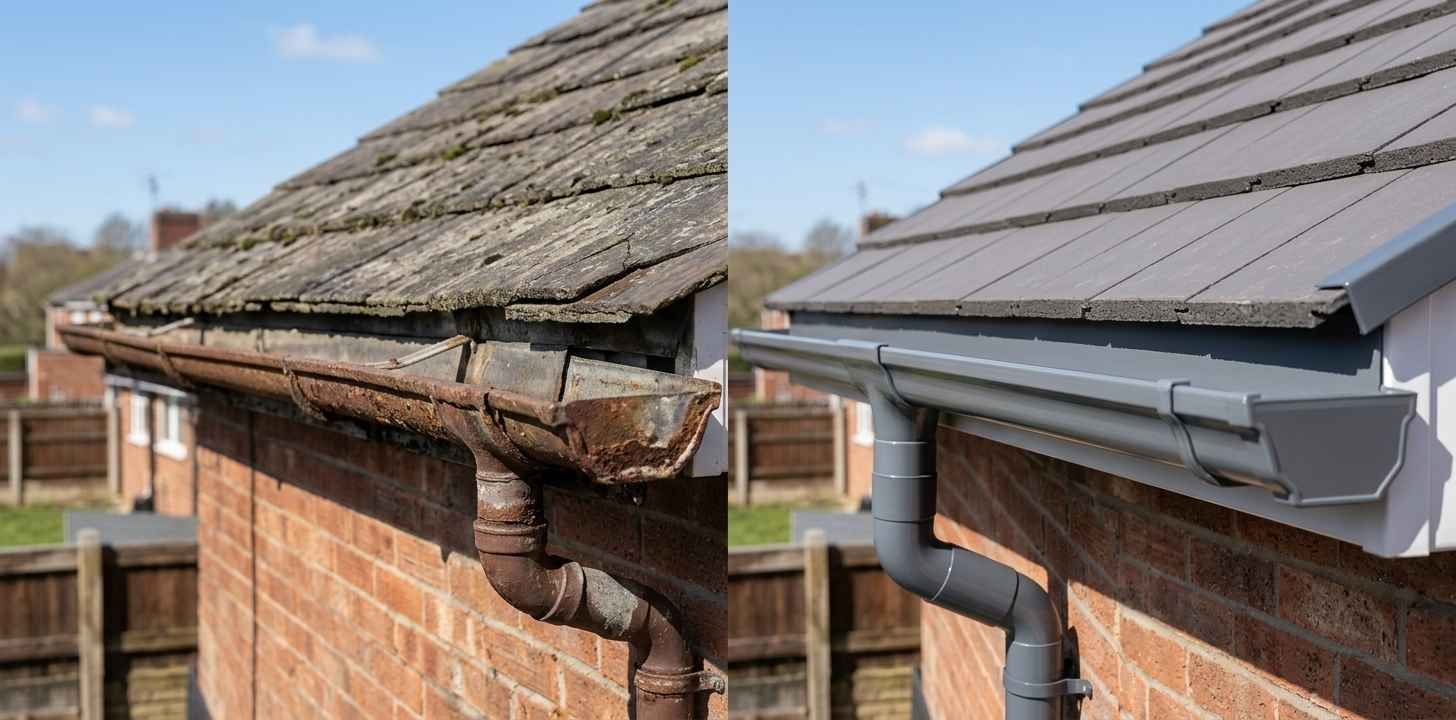
Leaking Gutter Repair Birmingham: Fix or Replace?

How Do You Stop Gutters From Blocking Again? A West Midlands Fix Guide
Summer Storms and Blocked Gutters: Why West Midlands Homes Are at Risk
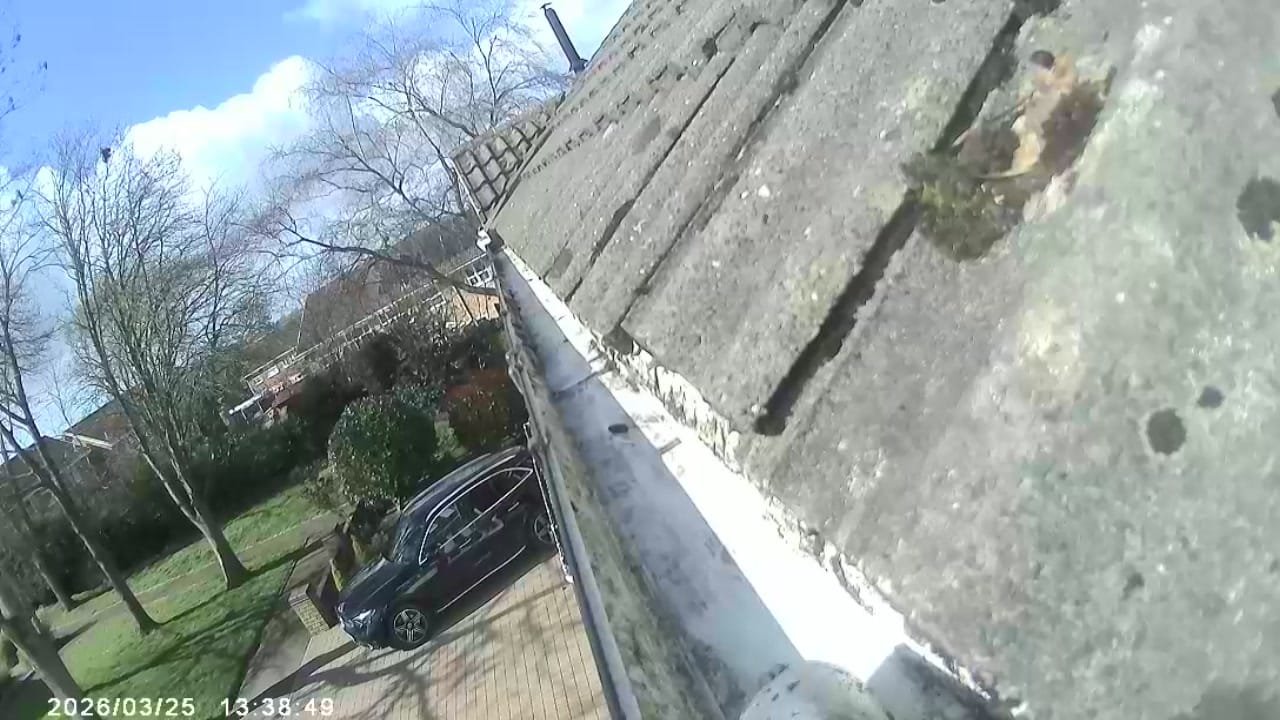
Gutter Vacuum Cleaning Birmingham – No Ladders Needed
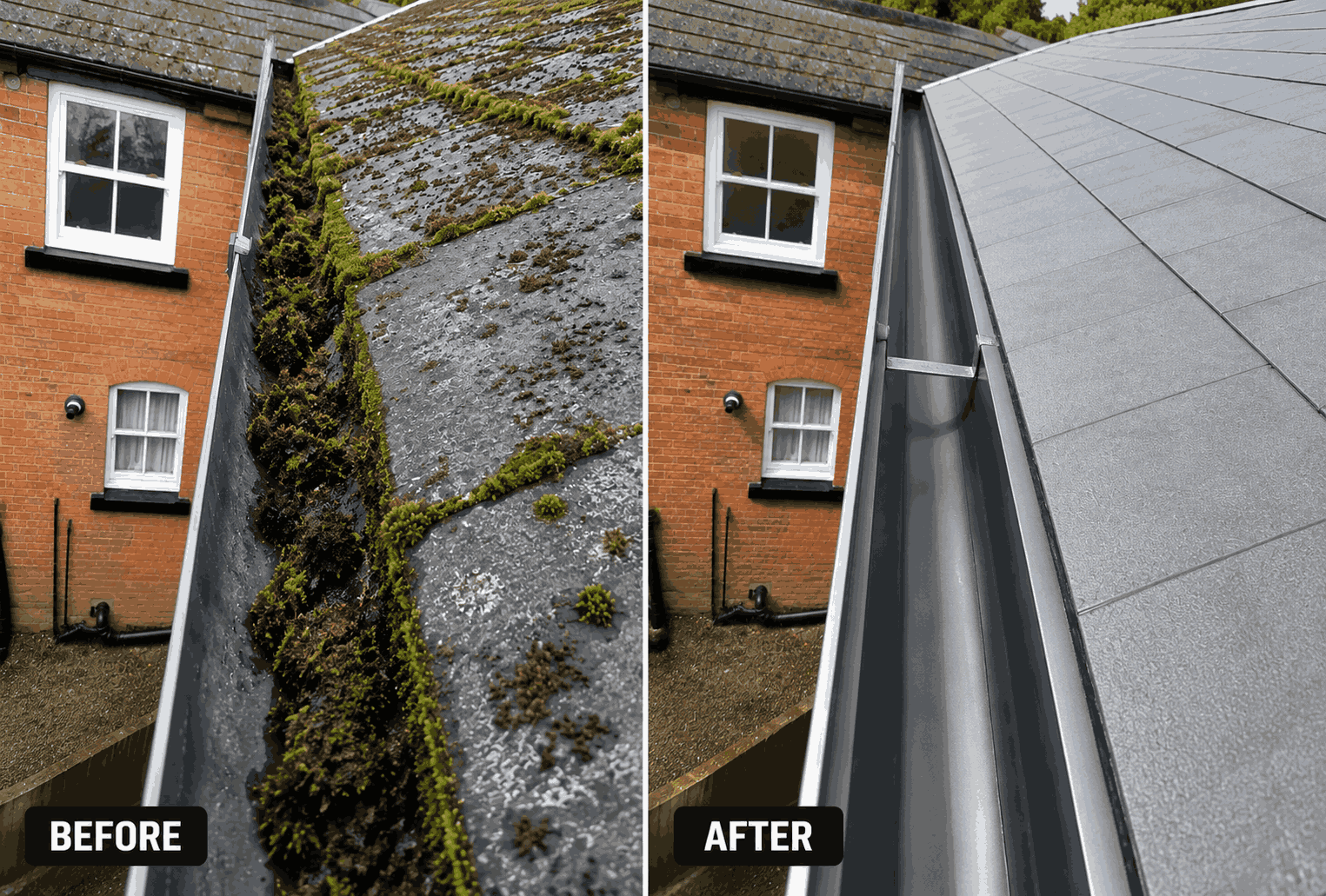
How Do You Clean Gutters on a Two-Storey House in Birmingham Safely?
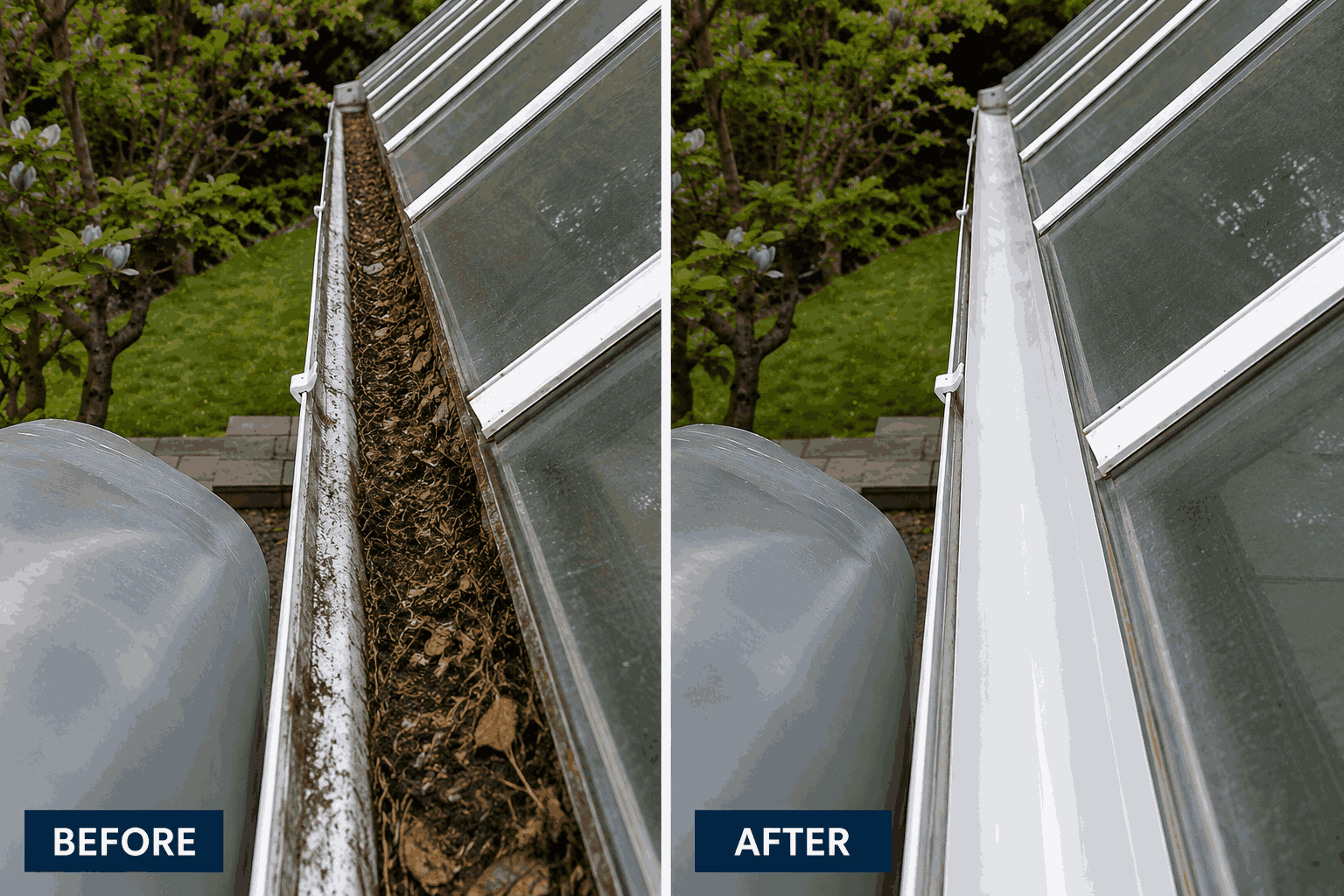
The Hidden Damage Behind Every Blocked Downpipe in Solihull
Worked Out Where It's Overflowing?
We can take it from there. Book a full gutter and downpipe assessment across Birmingham and the West Midlands, with photo evidence of exactly what caused it.